
Veltha Clio Outdoor Bench
CLIO OUTDOOR BENCH
CLIO OUTDOOR BENCH
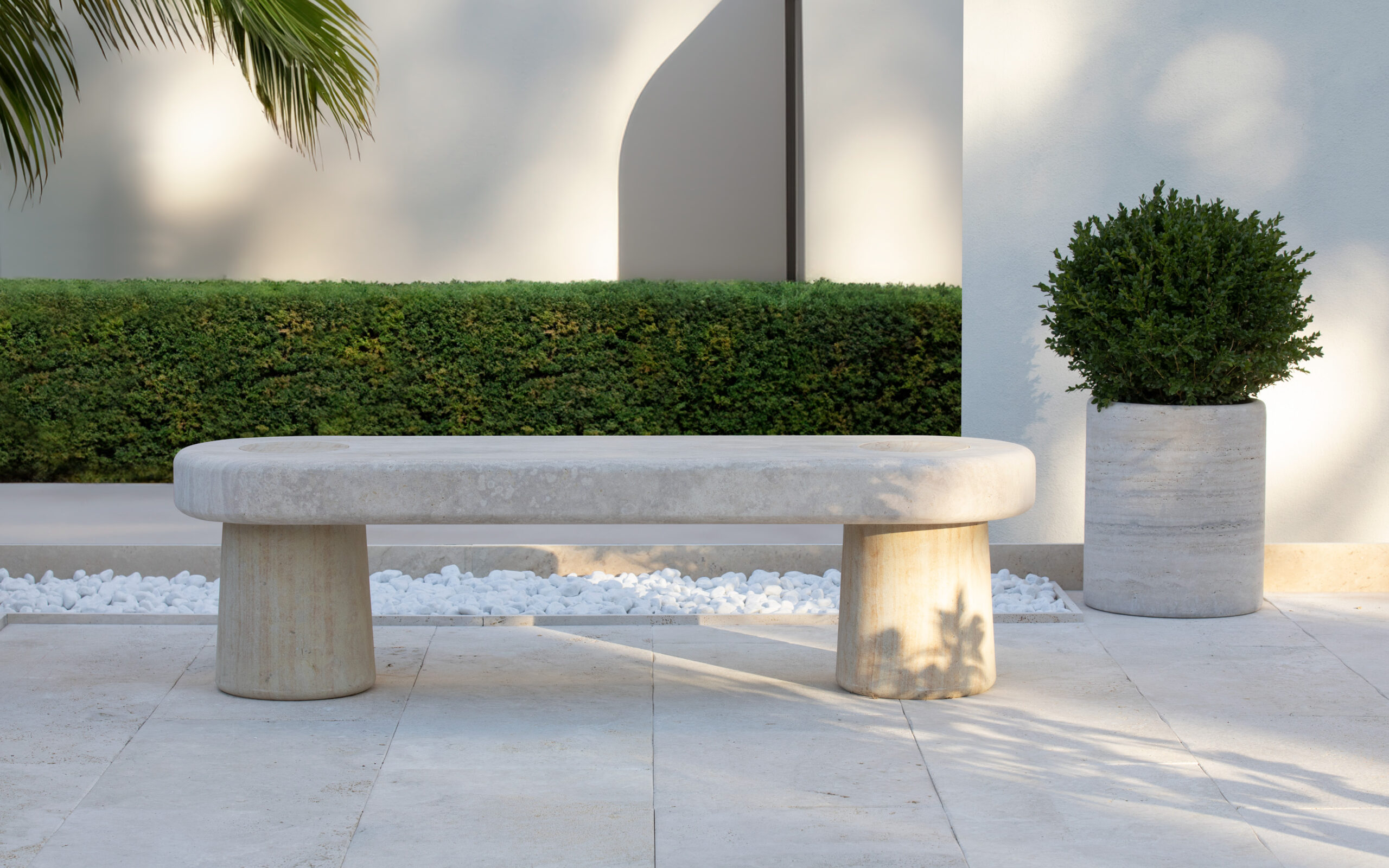
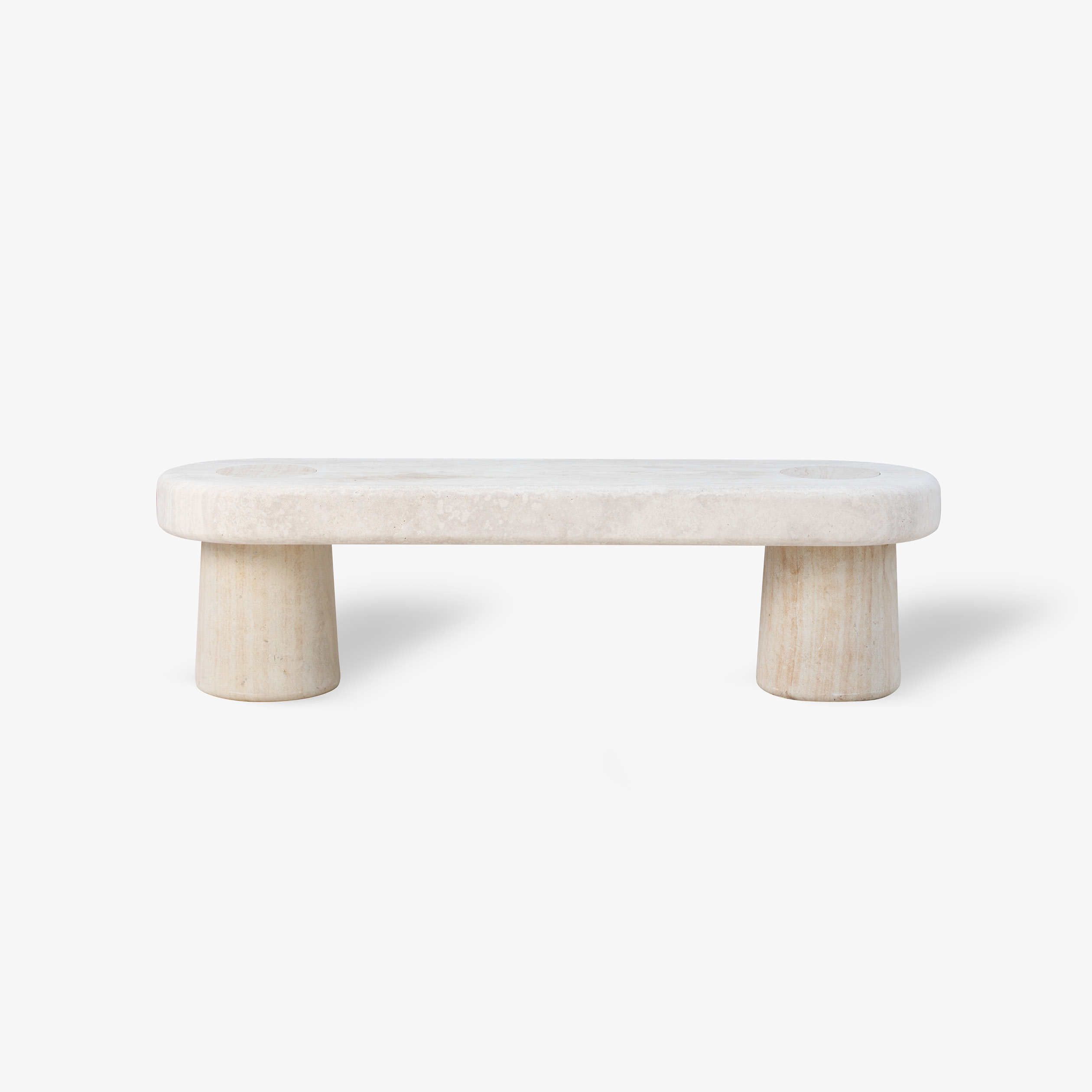
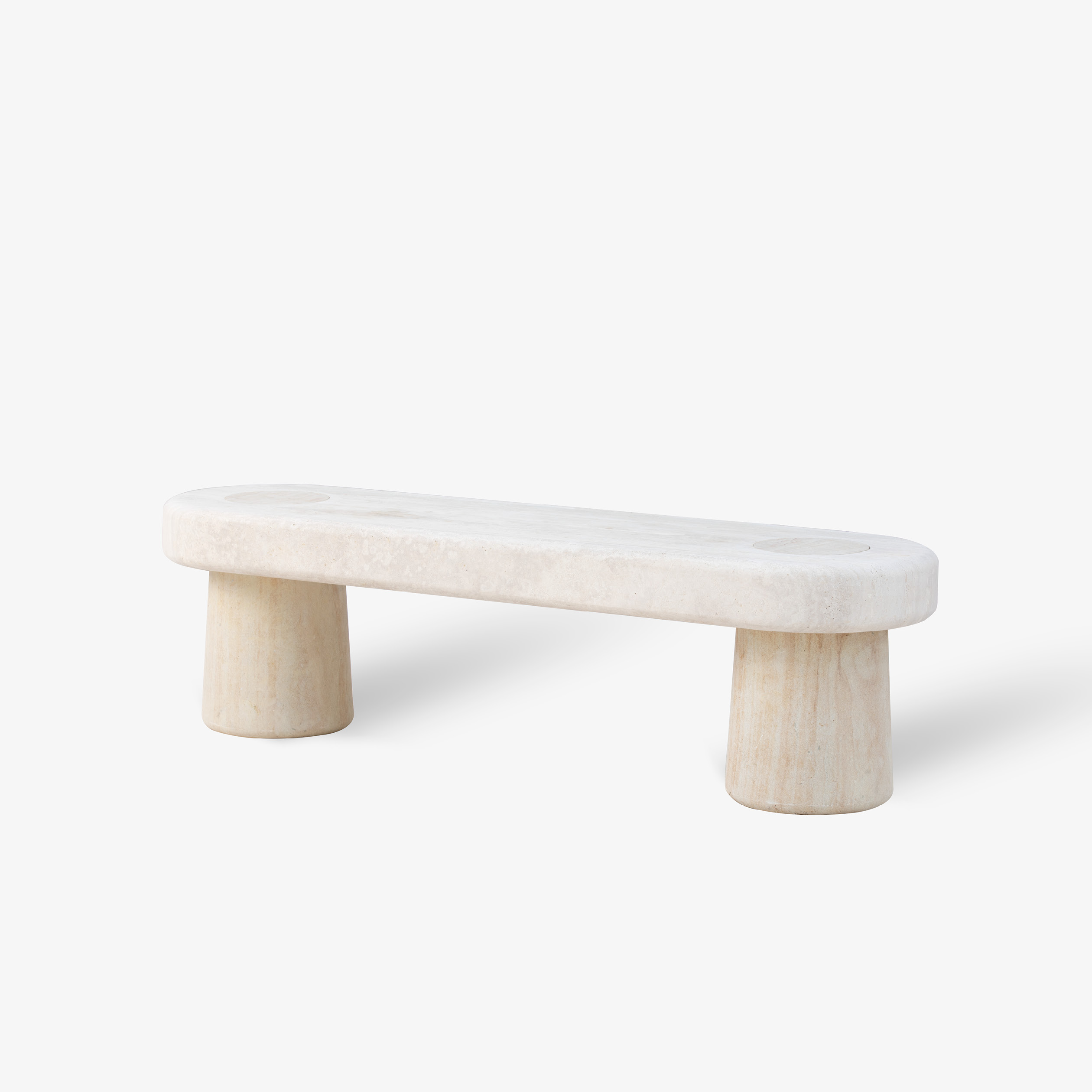
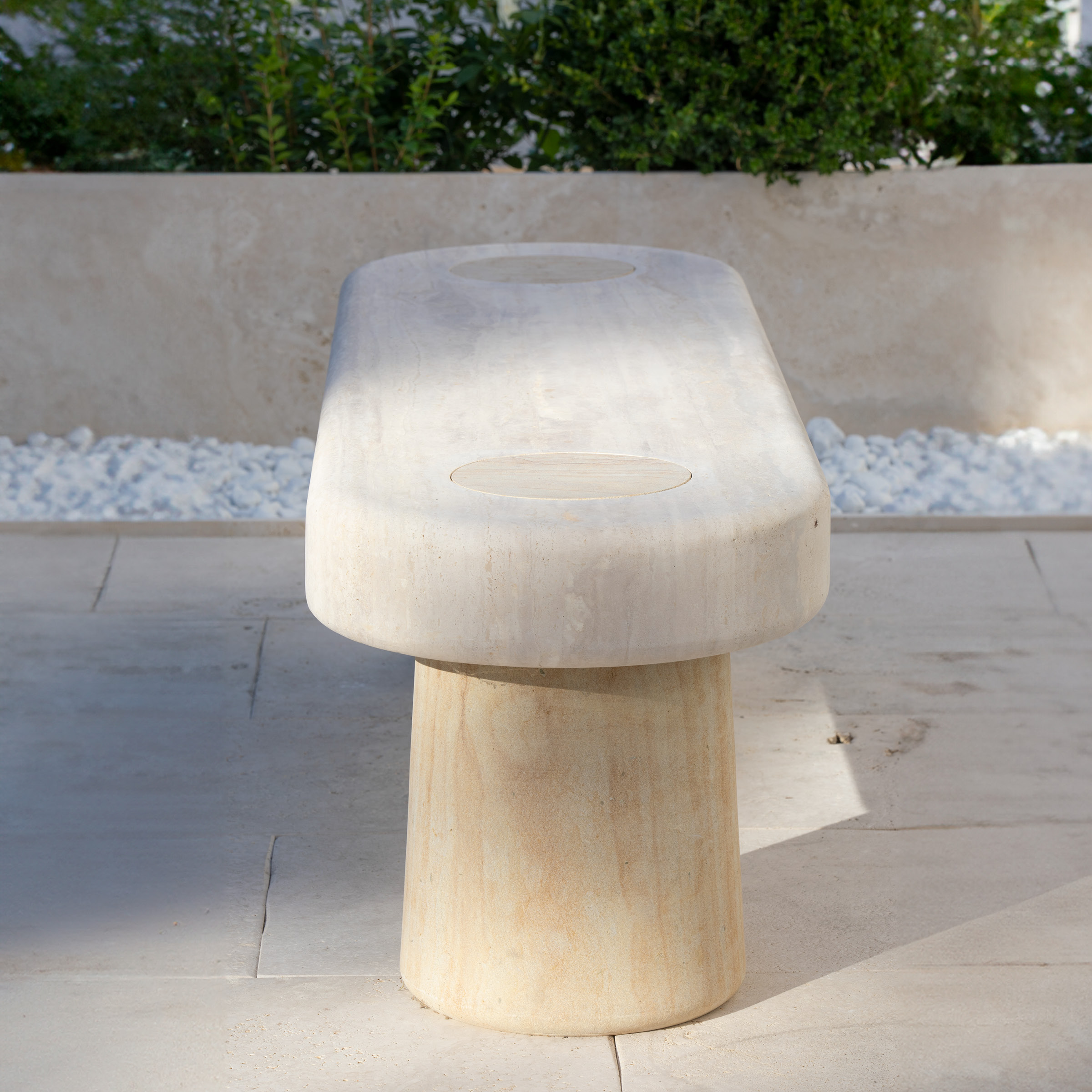
A bench crafted entirely in travertine, clio boasts an essential and ultra-modern design. geometric and linear, with softened corners for a refined and minimalistic effect, it seamlessly integrates into spaces with a more contemporary flair.
INFORMATION
BRAND
Veltha
PRODUCT TYPE
Outdoor Bench
BENCH
Comfortable structure measuring 158 X 44 X 12 cm (Length x Width x Thickness).
BASE
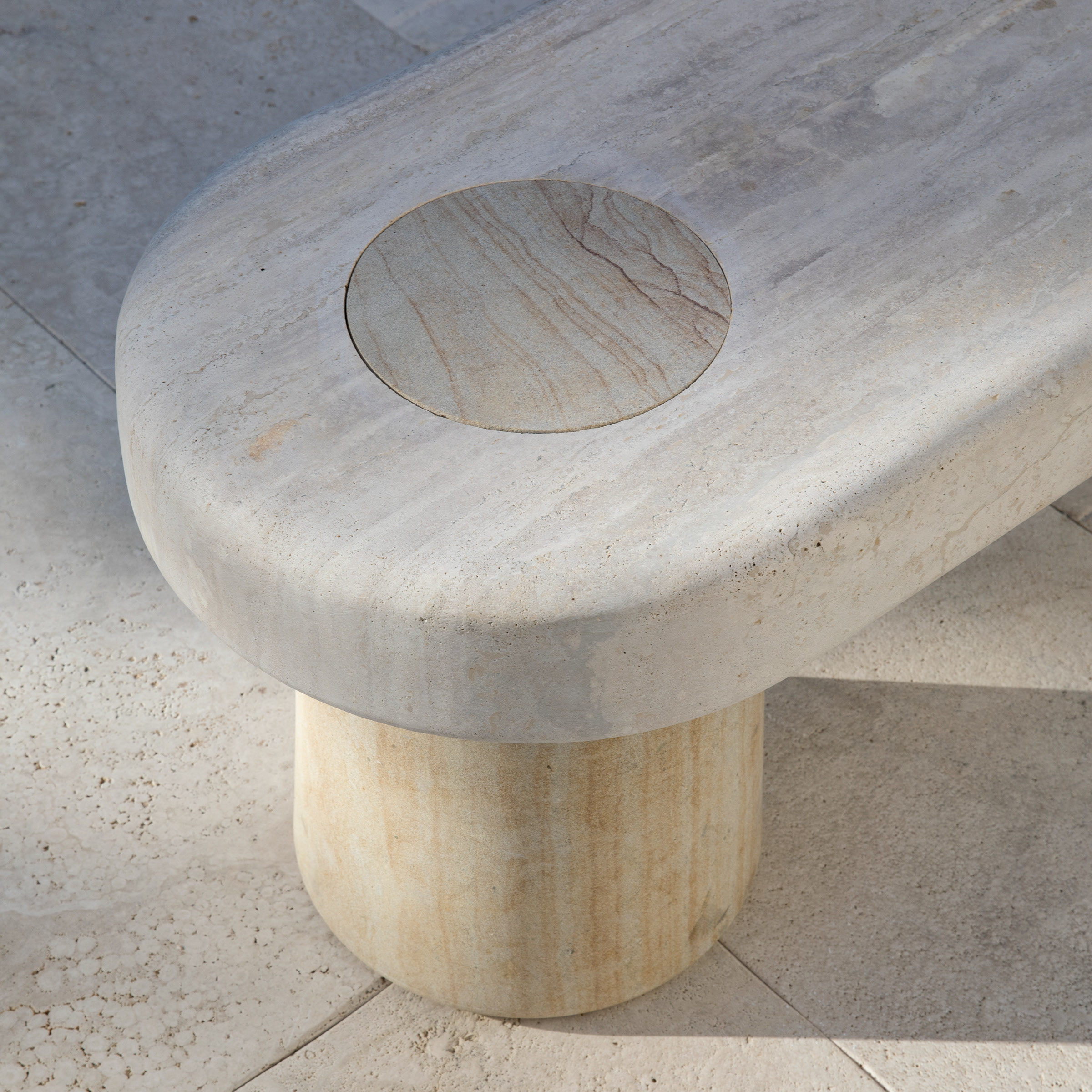
The top rests on two cylindrical bases in gilded stone, measuring 45 x 30 cm.
COLLECTION
Clio
PRODUCTION
Made in Italy
WEIGHT
400 kg
ENVIRONMENT
Outdoor
STONE
Travertine, honed natural limestone with a stuccoed and polished surface.
USE
Interior Furniture
DESIGN
Ultra-modern Design
TOOLS
Cutting and welding with state-of-the-art numerically controlled work tools.
CLEANING AND MAINTENANCE
- Enhancing natural stone such as peperino, travertine, and marble is Veltha’s main goal.
- Because it is important, Veltha chooses to take care of its products, creating surfaces that are processed and already treated with a water repellent.
- High hygiene and resistance to thermal shock, weather agents, scratches, stains, and low water absorption are guaranteed, as most of these products are intended for outdoor use.
- Cleaning all types of stone (peperino, travertine, and marble), even in the case of stains, requires the use of natural products, while acidic products are strongly discouraged, as they are corrosive to natural stone.

DIMENSIONS
- Length : 158 cm
- Width : 55 cm
- Height : 45 cm
FINISHING
Travertine is a sedimentary calcareous rock with a porous structure and warm light tones. Its surface is characterized by streaks of different colors ranging from ivory to honey, cream to walnut, gold to bronze, powder to scarlet red.
Thanks to its elastic qualities, good resistance to weathering, and ease of polishing and carving, travertine was the most commonly used material in the construction of ancient Roman buildings, which owe their pinkish and bright atmospheres, changing in every hour of the day, to this stone.
Primarily originating from the area of Tivoli, Italian travertine is also extracted from quarries in Tuscany, Umbria, and Marche. It is suitable for various uses in construction and decorative applications.
A robust material, resistant to temperature variations, impermeable to water, elegant, and radiant, it is perfect for those seeking timeless and classic furnishings which harmonize with any type of environment.