
Hermanmiller Nelson Thin Edge Group Sideboard & Bedside Table
NELSON THIN EDGE GROUP SIDEBOARD & BEDSIDE TABLE
NELSON THIN EDGE GROUP SIDEBOARD & BEDSIDE TABLE
Designed by George Nelson
Organizing the objects of everyday life
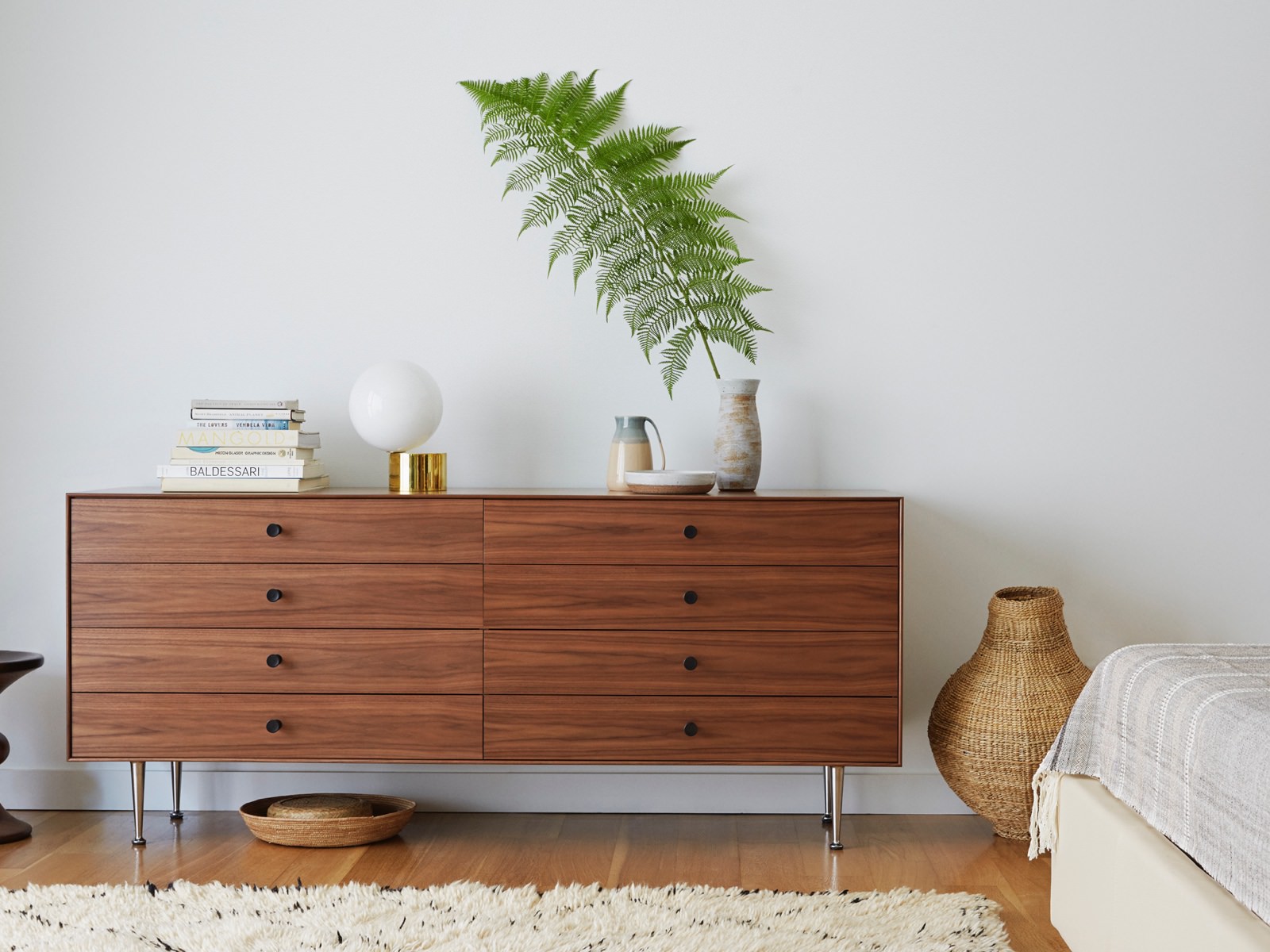
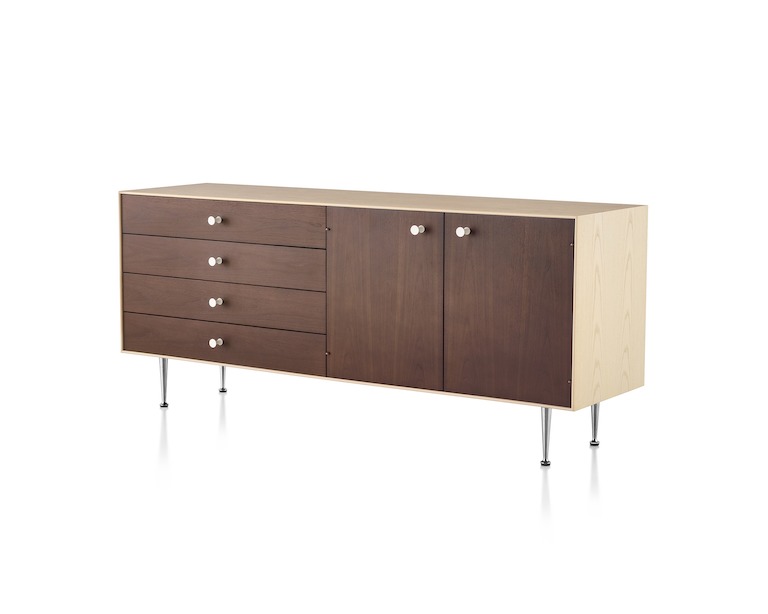
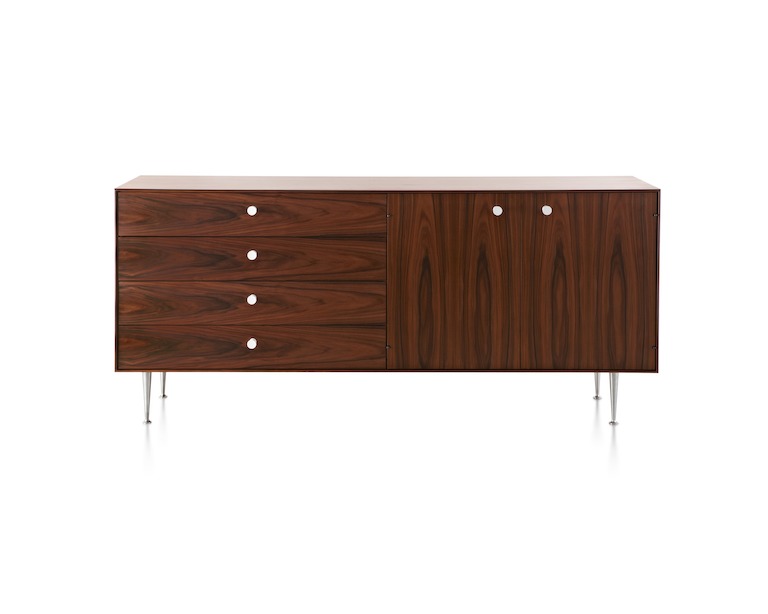
Adding to the Nelson Thin Edge storage portfolio, an expanded set of options present the opportunity to bring the quintessential Nelson aesthetic into the bedroom and beyond.
It was George Nelson’s ongoing endeavor to standardize and organize the objects of everyday life and to do it in a minimal and practical way.
information
BRAND
Hermanmiller
COLLECTION
Nelson
PRODUCT TYPE
- Sideboard
- Bedside Table
DESIGNER
George Nelson
PRODUCTION
Made in India
LEGS
Slim Aluminum Legs
DOWNLOADS
↓ Nelson Thin Edge Buffet
↓ Nelson Thin Edge Cabinet
↓ Nelson Thin Edge Chest–3 Drawer
↓ Nelson Thin Edge Chest–5 Drawer–Left Door
↓ Nelson Thin Edge Chest–5 Drawer–Right Door
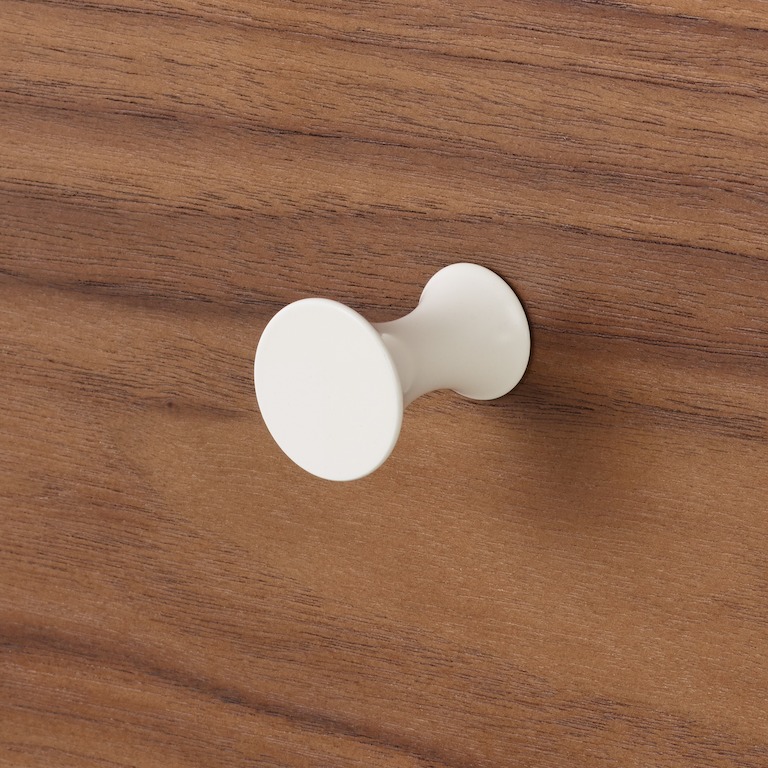
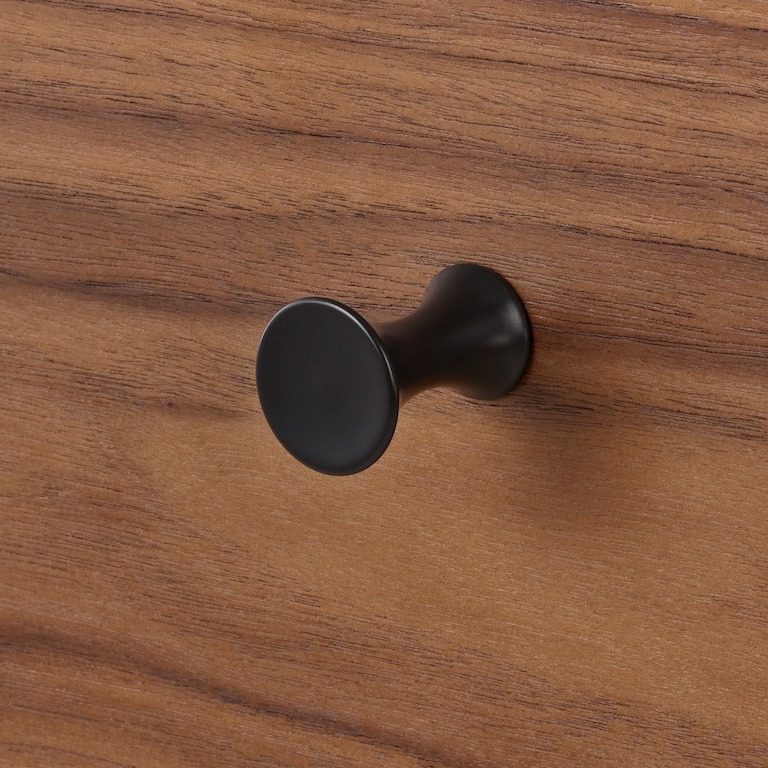
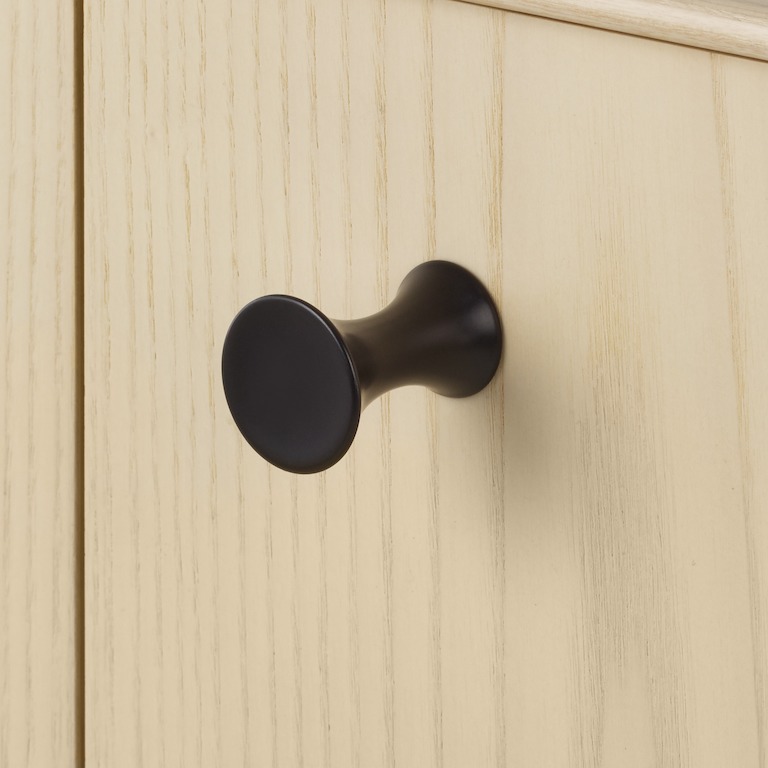
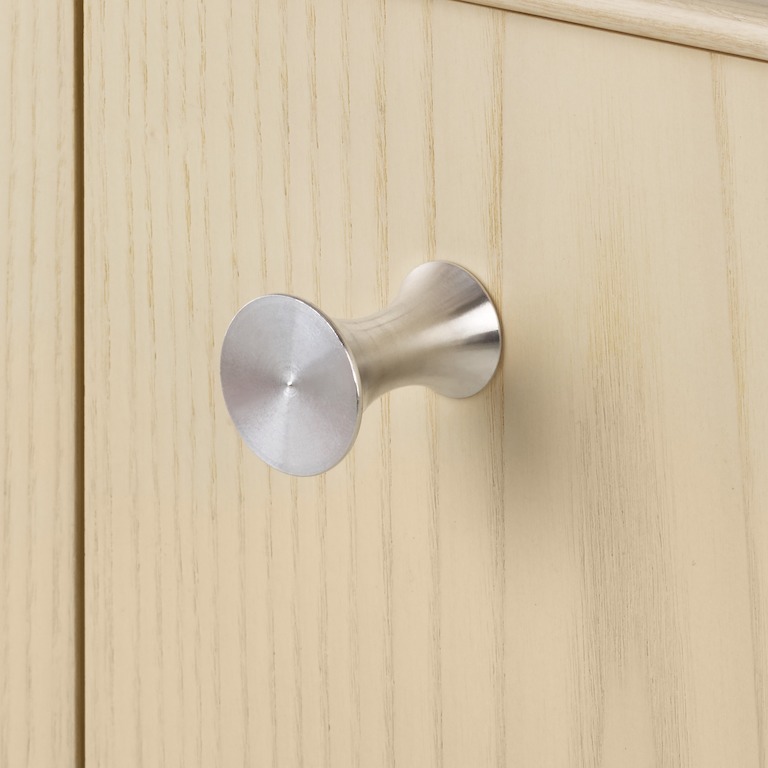
ENVIRONMENT
Indoor
USE
Interior Furniture
STORAGE OPTION
Creating elegant storage options was a significant part of his life’s work, as were his delightful sofas and chairs.
DESIGN
AN INNOVATIVE IDEA, A TIMELESS DESIGN
In 1944, Life magazine published an extensive article detailing the Storage Wall, George Nelson’s novel architectural concept for American homes that proposed to make walls thicker so that they could double as a place to put things away.
The piece caught the eye of Herman Miller founder D.J. De Pree, who was searching for a design director after the sudden death of Gilbert Rohde, and Nelson soon had the job. He went on to work as Design Director at Herman Miller for over 25 years. During this time he examined the problems people faced in their homes and offices and designed new types of furniture to address those needs.
FROM STORAGE WALL TO CABINET SERIES
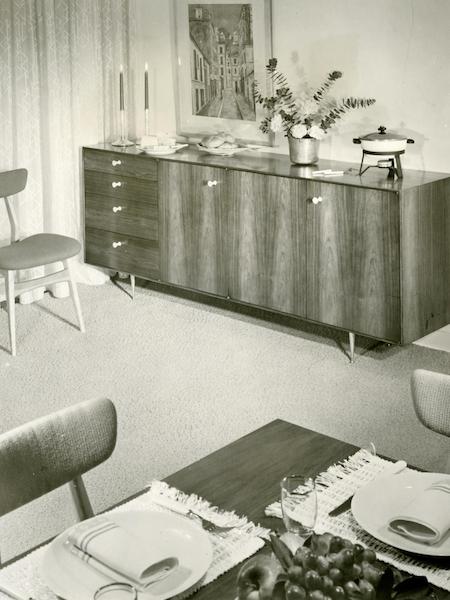
The Storage Wall concept was the forerunner to a series of cabinets that Nelson designed over the years. The Rosewood Cabinet Series of 1952 represents a synthesis of Nelson’s approach to modular storage furniture with a heightened attention to quality and craftsmanship.
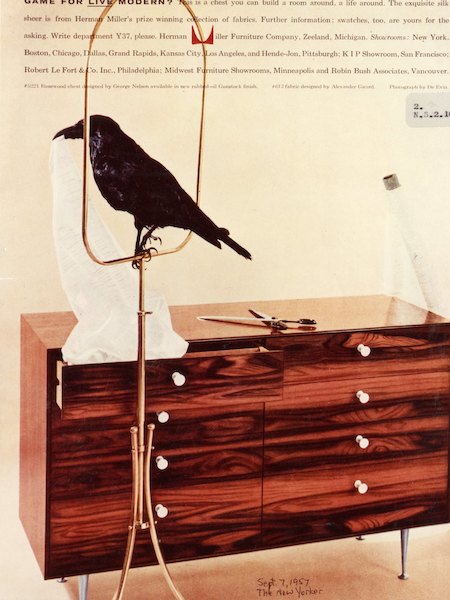
As the range of veneers expanded and design details were standardized, the group was renamed in 1958 after the feature that gives them their unique aesthetic quality—the thin edge that frames the doors and drawers. Today, we have updated these classic pieces with environmentally supportable veneers and finishing processes while maintaining the original design.
DETAIL
CLASSIC PIECES
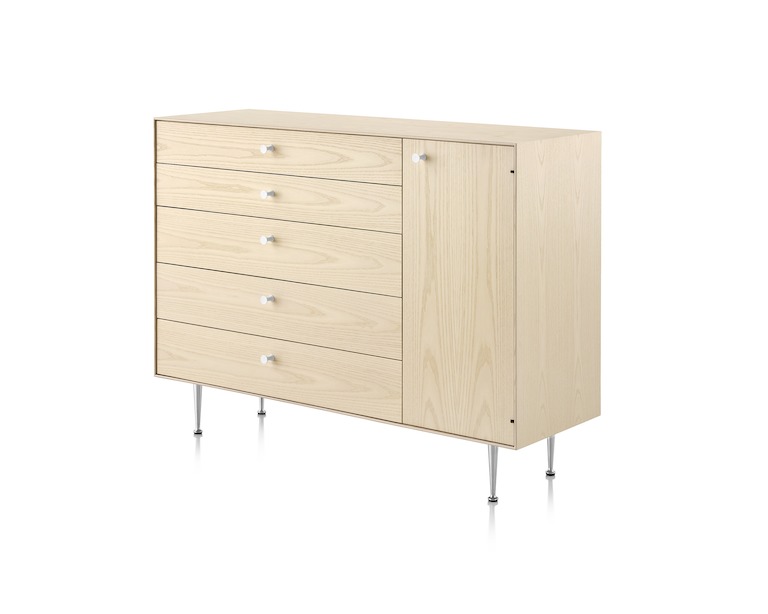
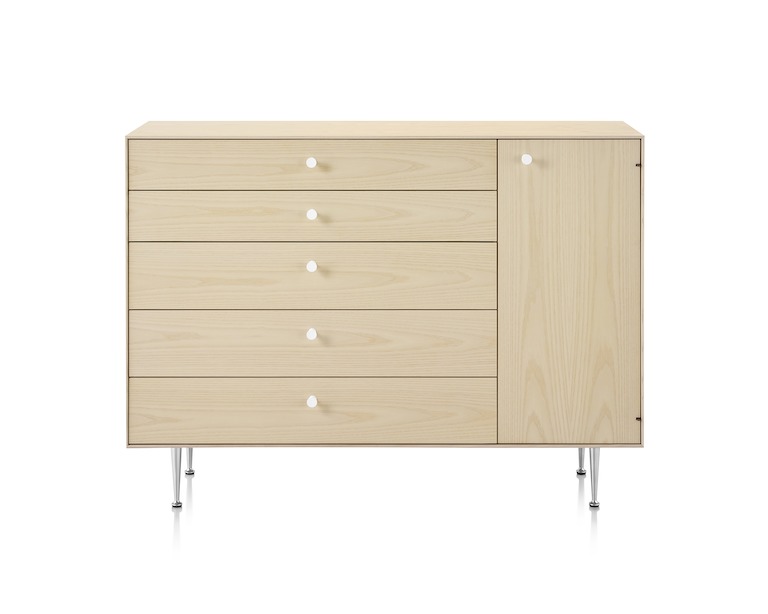
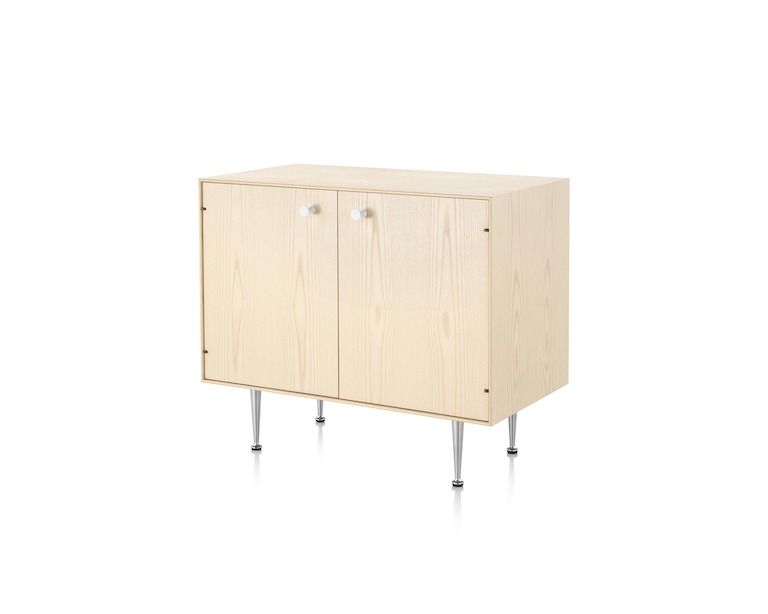
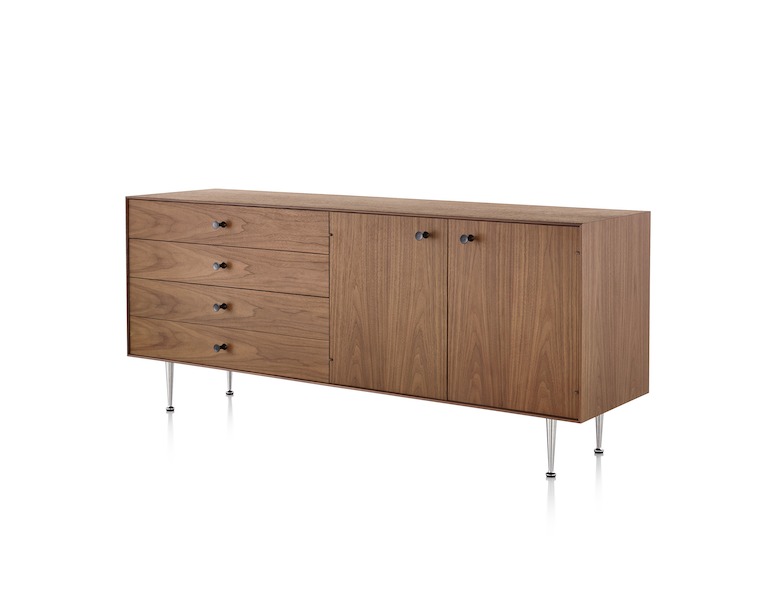
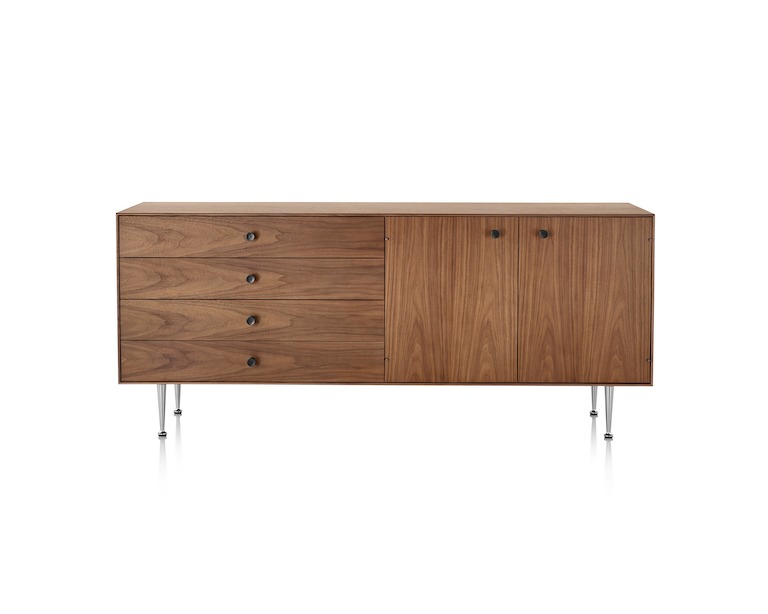
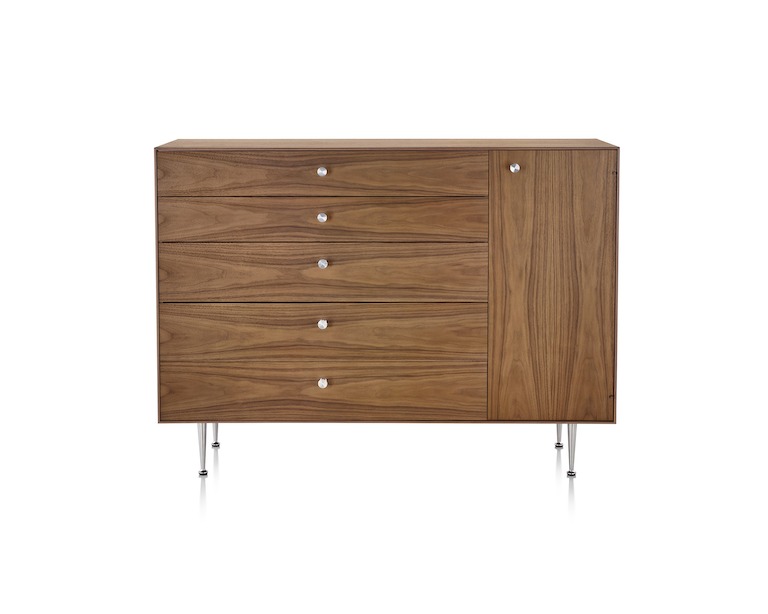
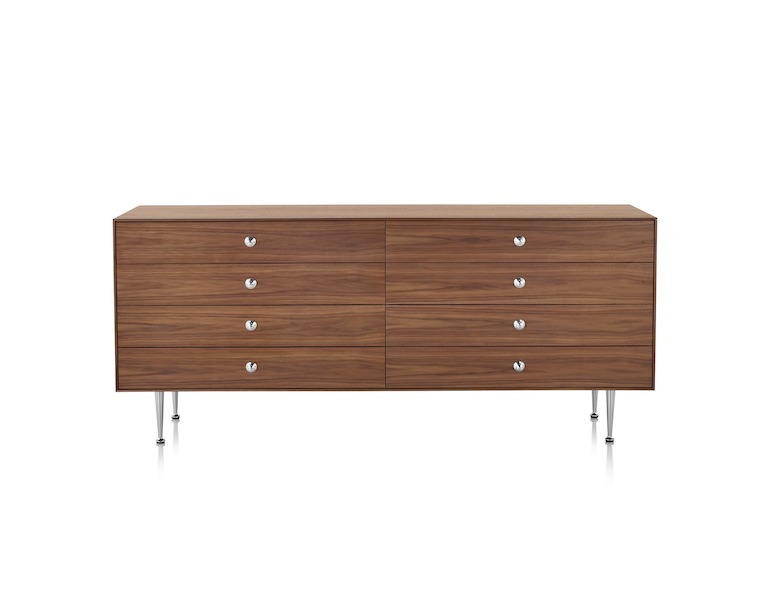
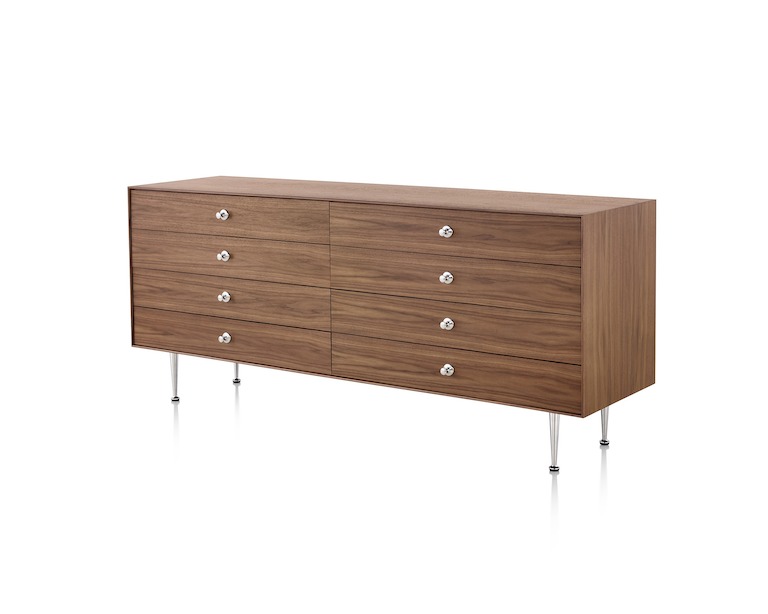
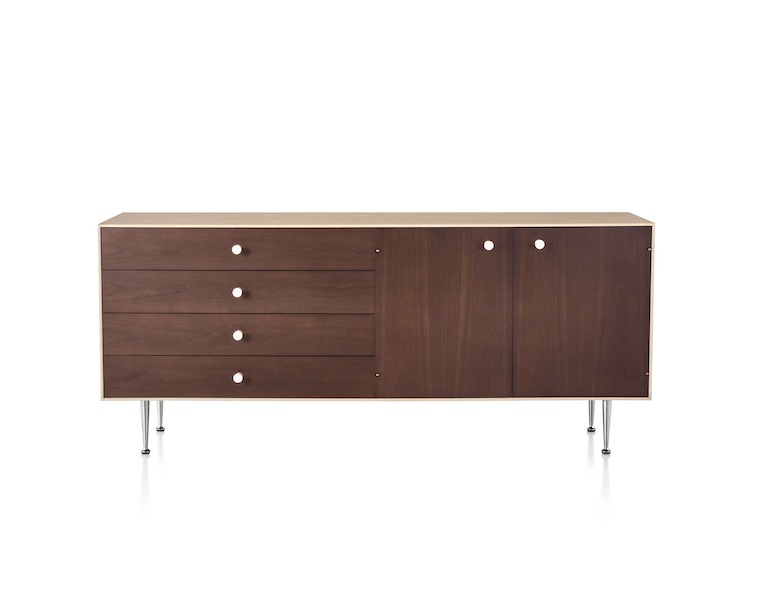
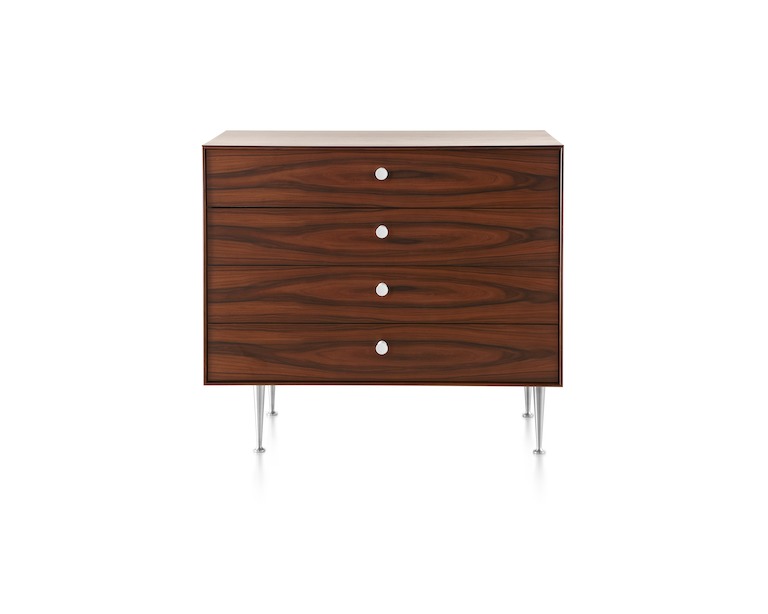
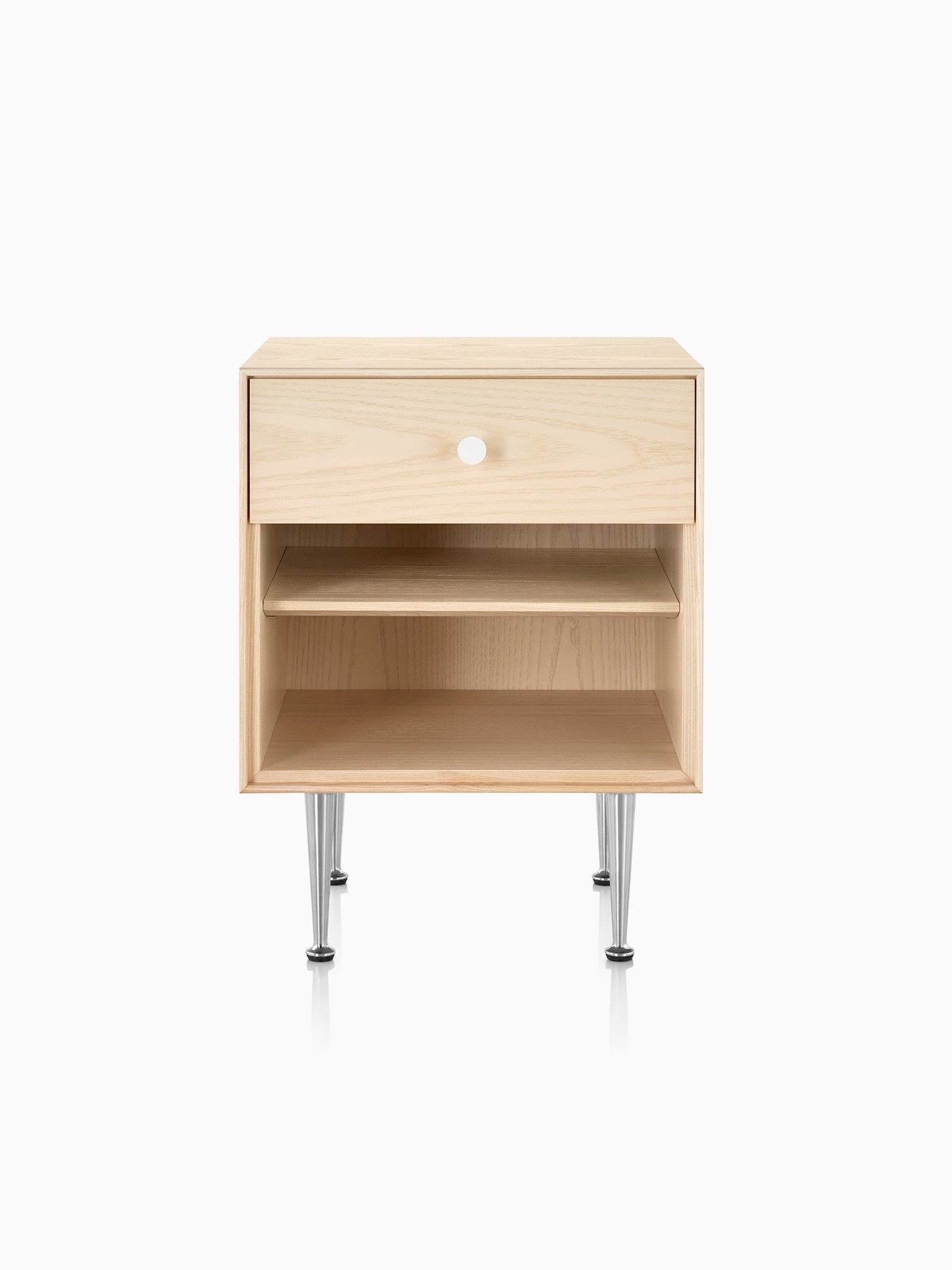
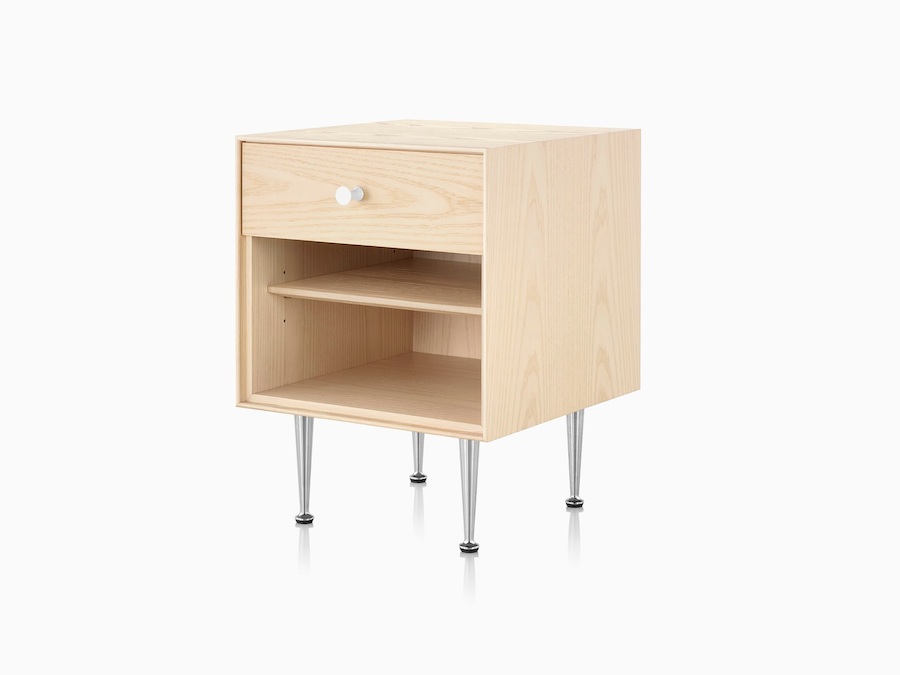
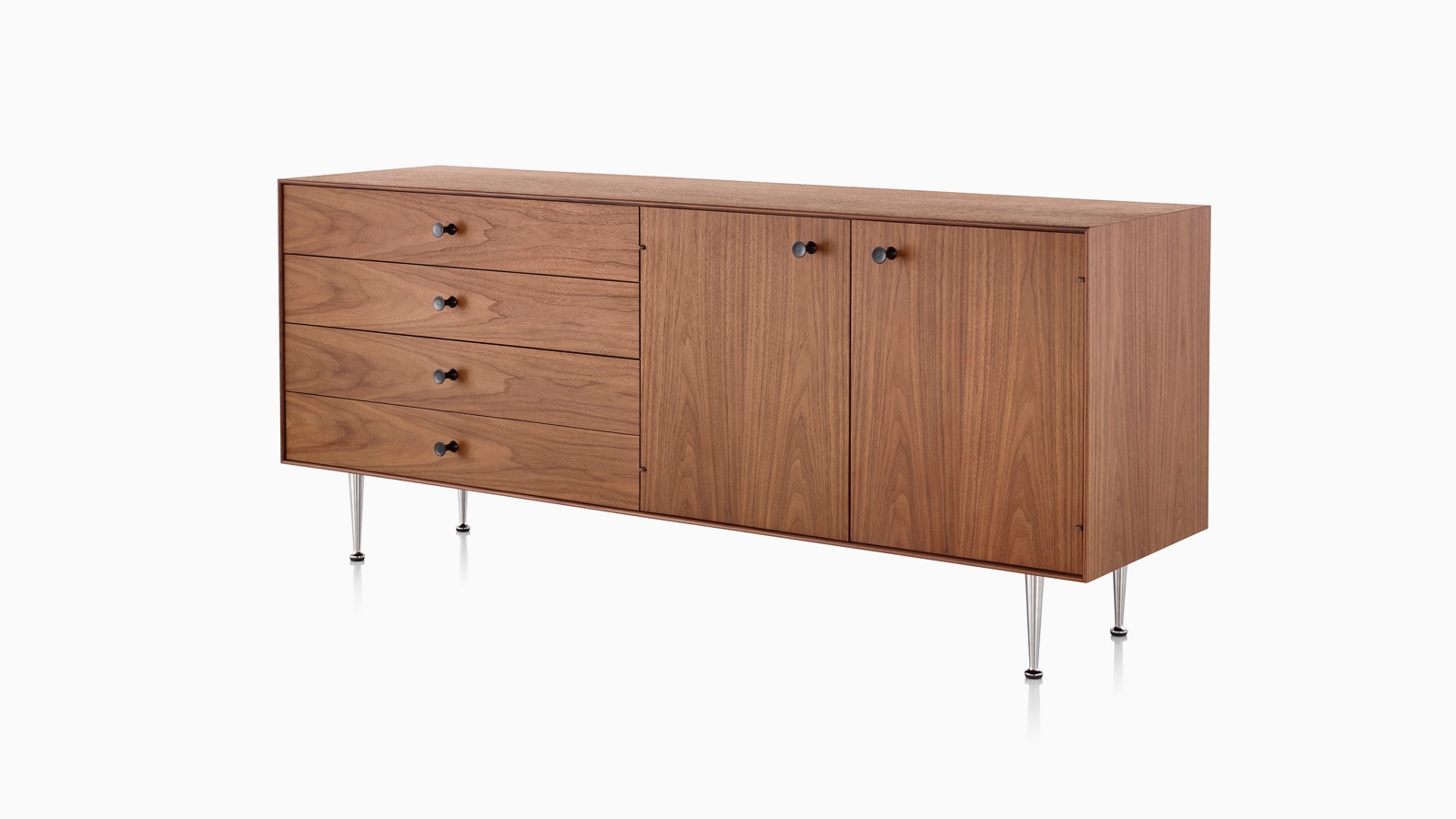
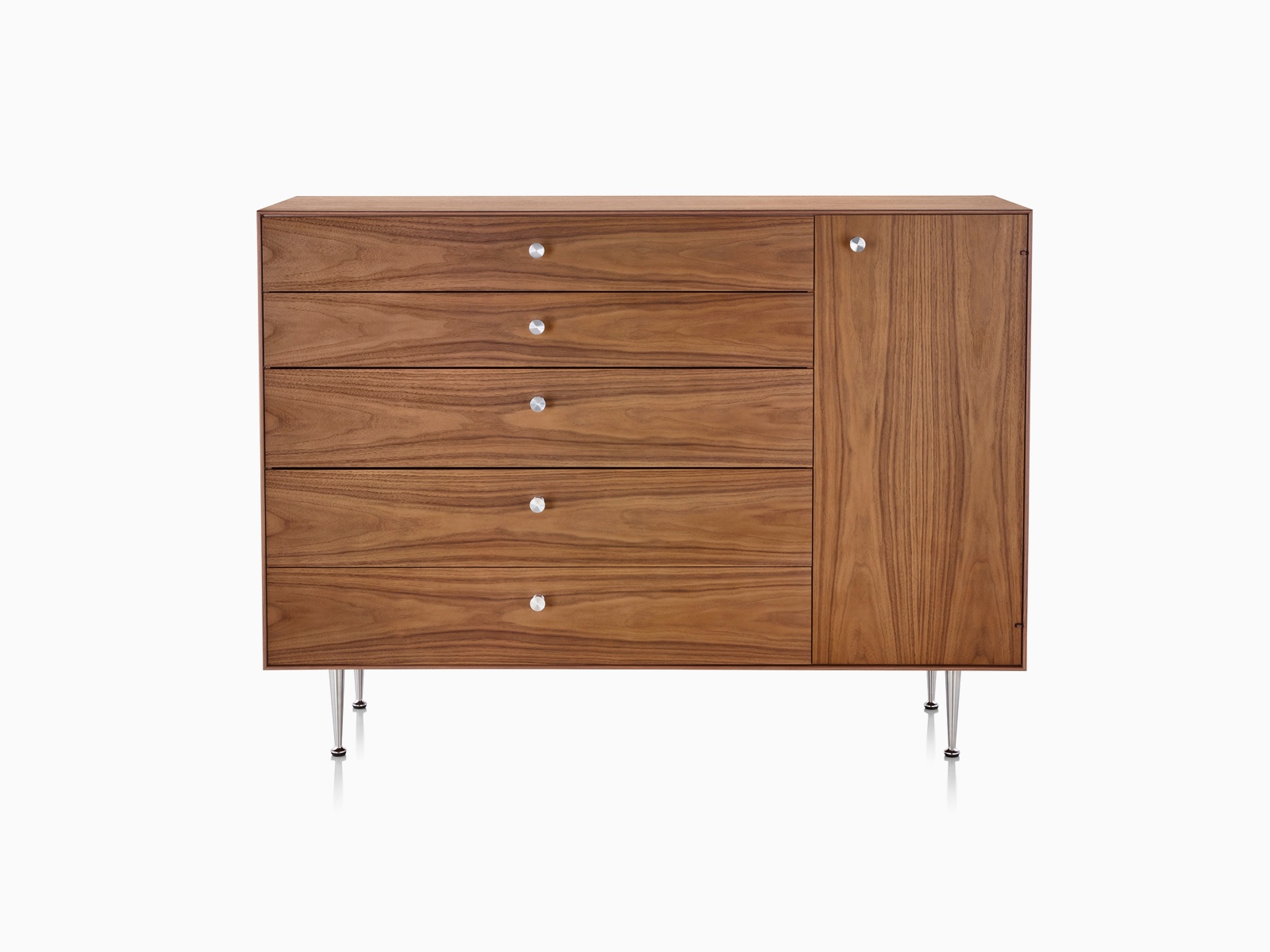
Sixty years since they were first available, these classic pieces have been updated to employ environmentally sustainable veneers and finishing processes without compromising the original design. Variations of a double dresser, a bedside table and a combination of a chest and cabinet allow for easy and elegant decluttering in the bedroom.
CRAFTED DETAIL
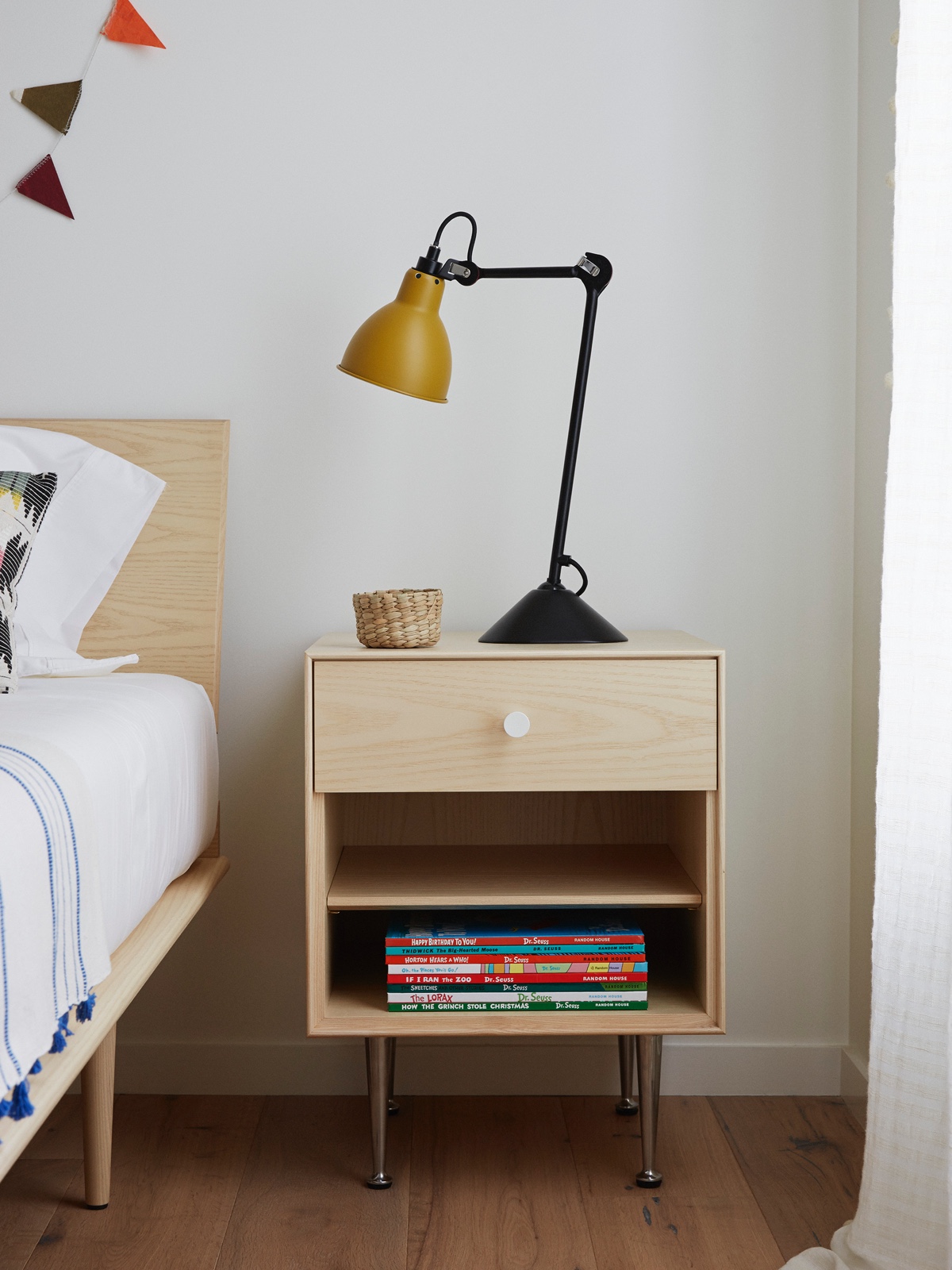
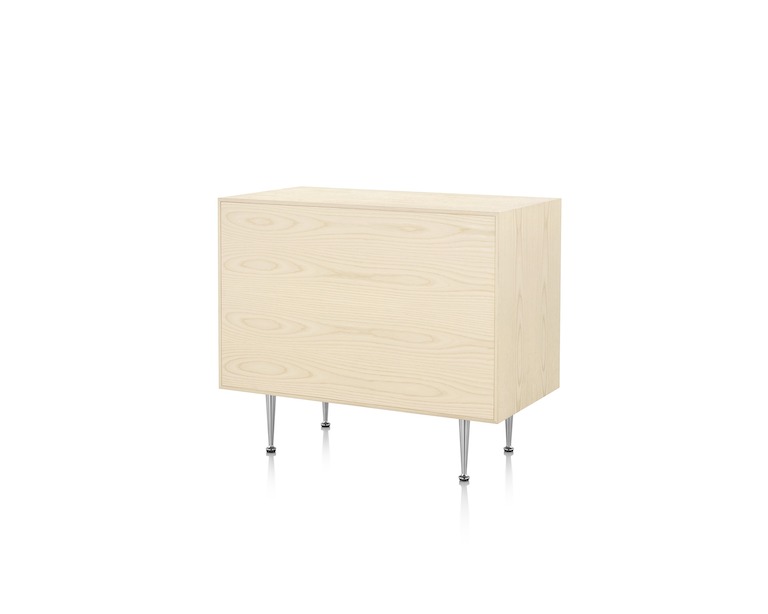
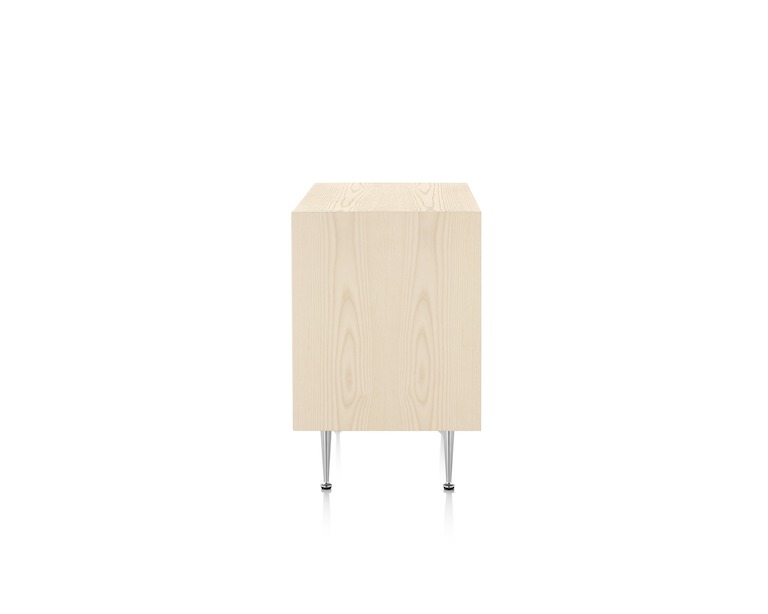
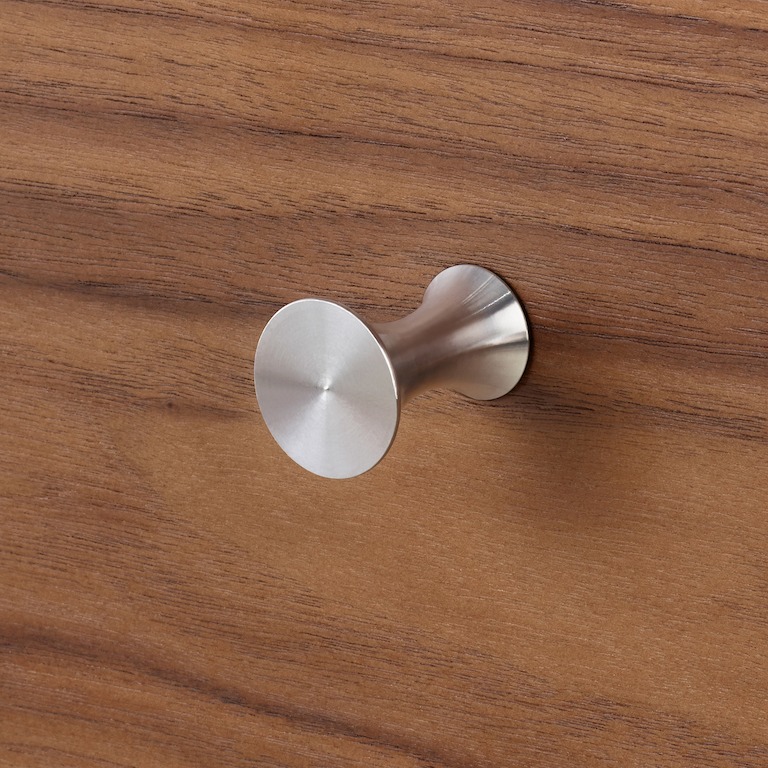
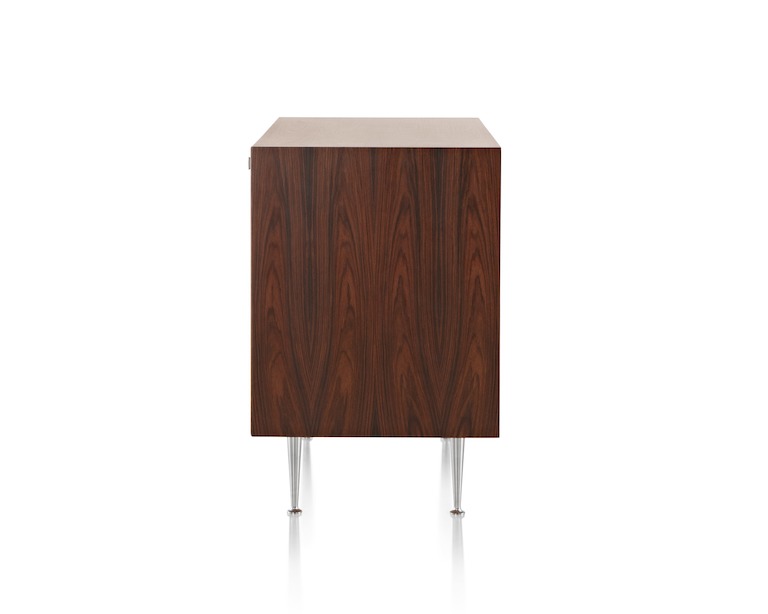
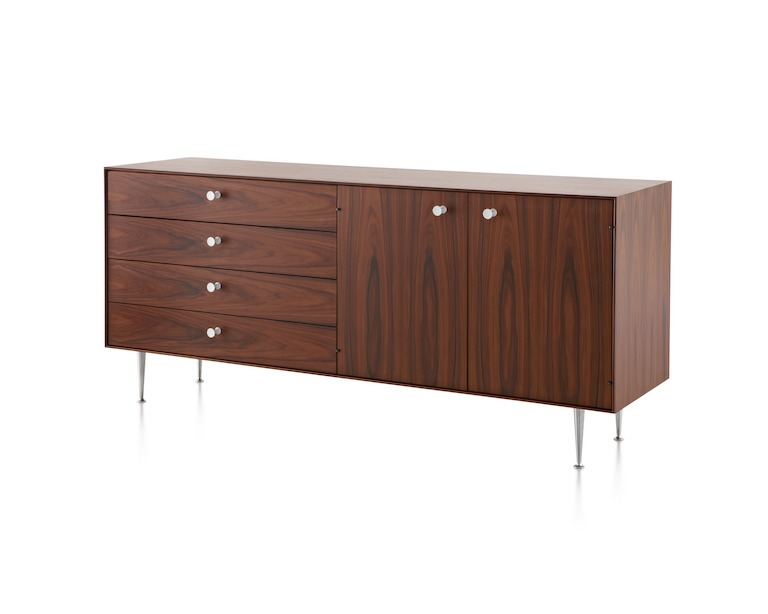
Drawers built in a solid wood construction are set on soft slides for easy movement. Slim aluminum legs raise the volume above ground giving it a light, compact aesthetic as well as a classic mid-century modern look.
TEXTURED CHOICES
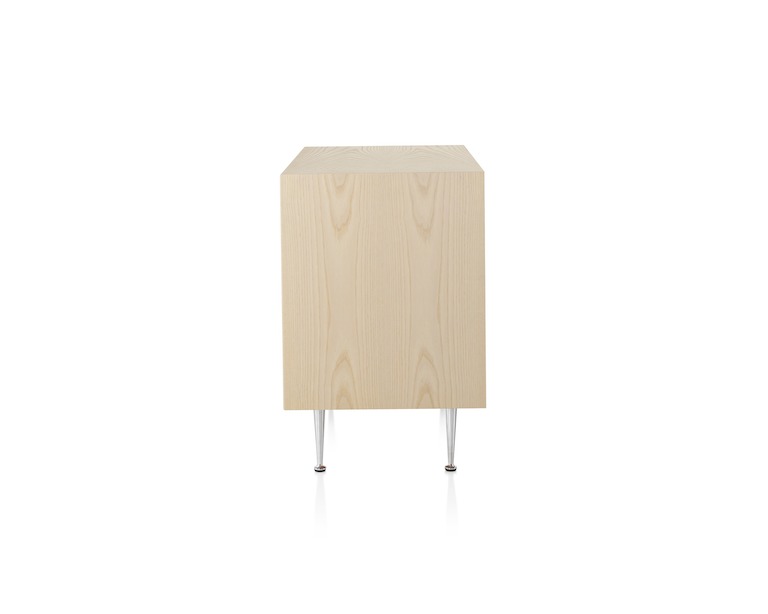
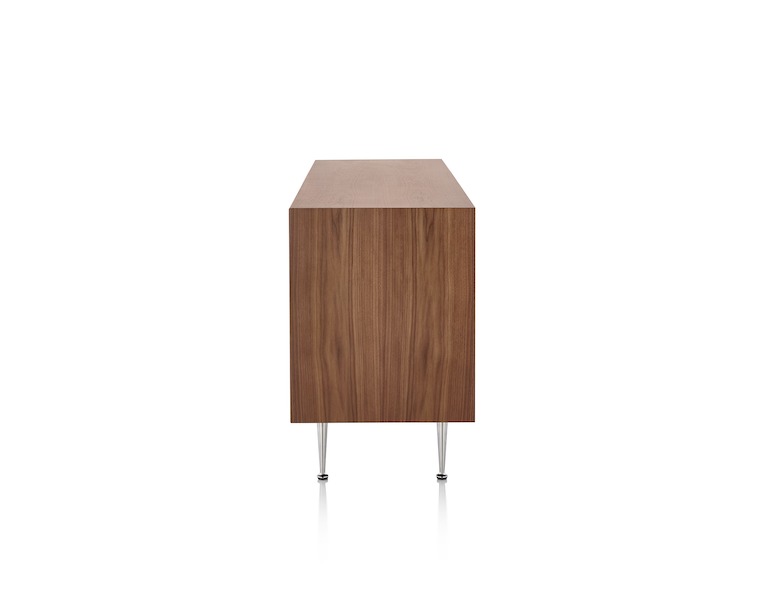
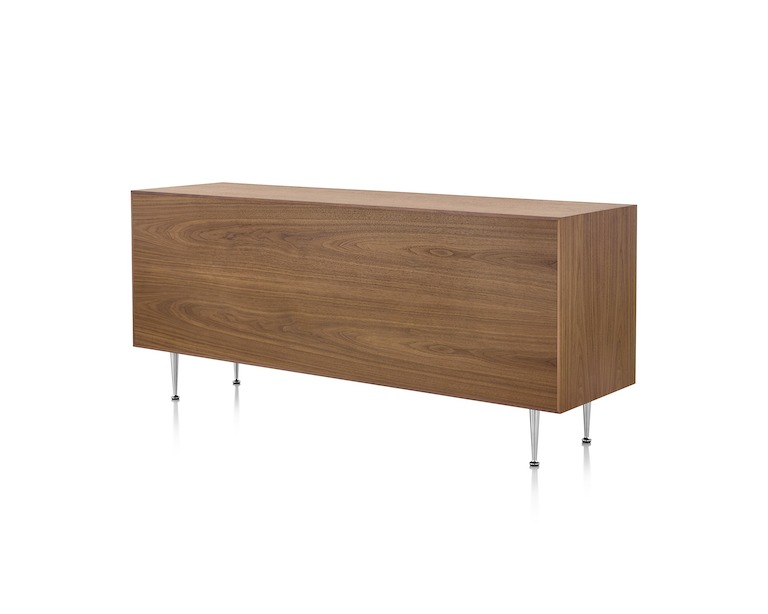
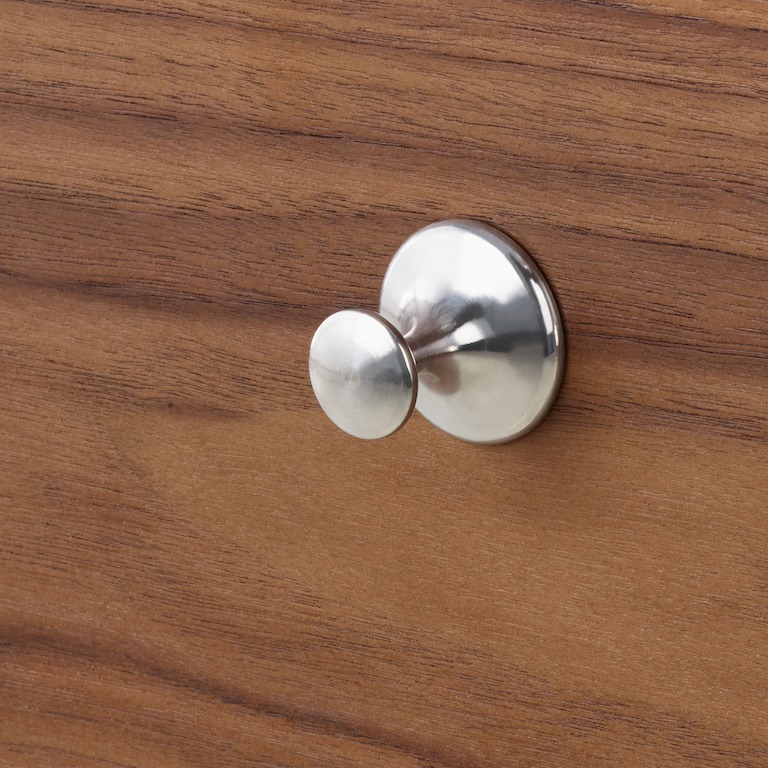
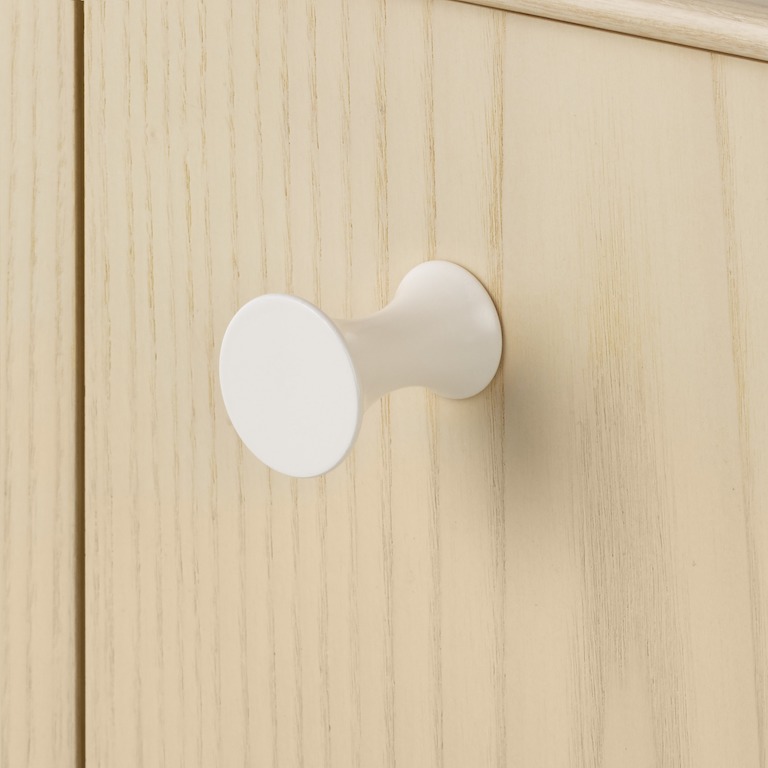
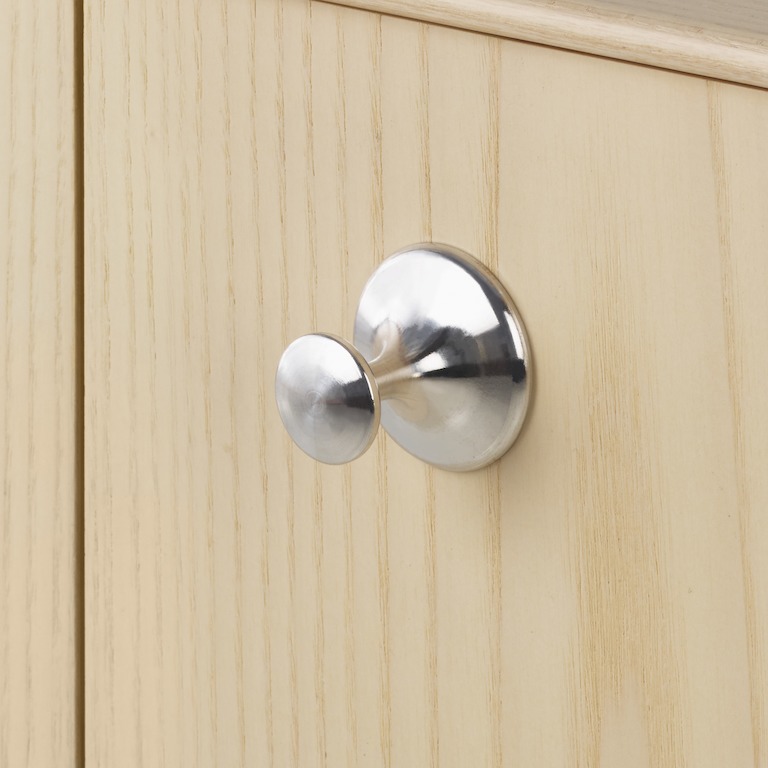
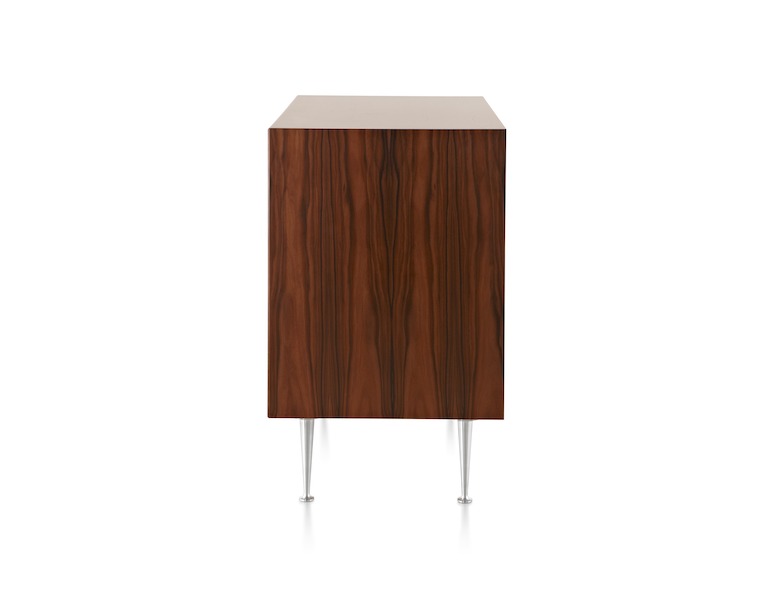
Available in a variety of finishes, the Nelson Thin Edge Storage pieces effortlessly complement modern décor. Cases are finished with a matte black back or can be veneered if they are to be used in freestanding space.
DIFFERENT NOOKS, DIFFERENT ROLES
For the snug, intimate corner next to a bed, the Nelson Thin Edge Bedside Table provides a surface for a bedside lamp, books, and a drawer to stow away trinkets. The deep and wide drawers of the Double Dresser provide ample storage space while its minimal frame maintains a compact look. And a clever combination of drawers and shelves in the Chest Cabinet allows for things of different sizes and dimensions to be organized easily and creatively.
DESIGNER
GEORGE NELSON
When writing about the course of his remarkable 50-year career, George Nelson described a series of creative “zaps”—moments of out-of-the-blue inspiration “when the solitary individual finds he is connected with a reality he never dreamed of.”
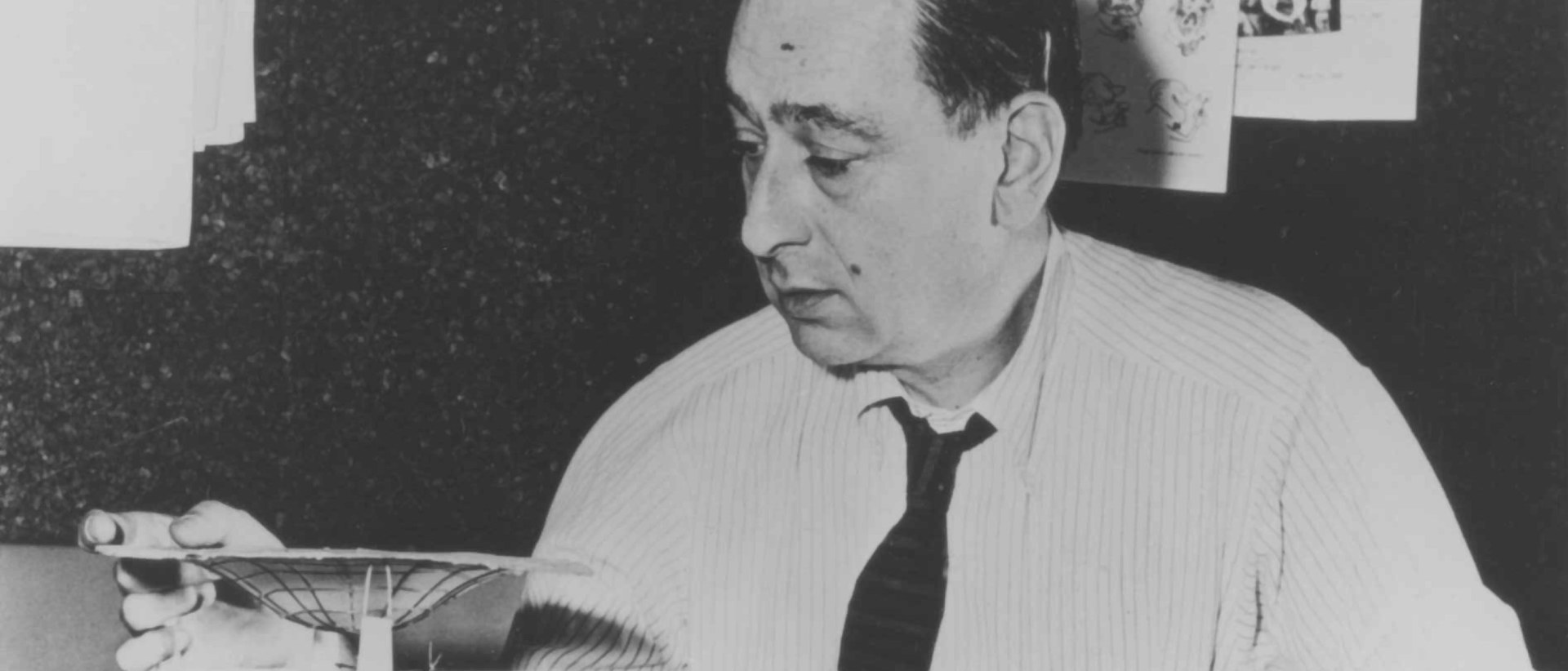
An early zap came in the 1930s, when he was an architectural student in Rome. Before returning home, an idea struck him: He would travel Europe and interview leading modern architects, hoping to get the articles published in the U.S.
He succeeded, and in the process introduced the U.S. design community to the European avant-garde. This set in motion a sequence of what he called “lucky”career breaks that were really the inevitable outcomes of his brilliance as a designer, teacher, and author.
The first break was being named an editor of Architectural Forum magazine. Working on a story there in 1942, he was looking at aerial photos of blighted cities when—zap!—he developed the concept of the downtown pedestrian mall, which was unveiled in the Saturday Evening Post.
Soon after, another zap led to the Storagewall, the first modular storage system and a forerunner of systems furniture. The Storagewall was showcased in a 1945 Lifemagazine article, causing a sensation in the furniture industry.
Herman Miller founder D.J. De Pree saw the article and was so impressed that he paid a visit to Nelson in New York and convinced him to be his director of design, which spurred Nelson to found his design firm, George Nelson & Associates.
The warm, personal, and professional relationship between Nelson and De Pree yielded a stunning range of products, from the playful Marshmallow Sofa to the first L-shaped desk, a precursor of today’s workstation.
Nelson once wrote that Herman Miller “is not playing follow-the-leader.” That’s one reason why George Nelson & Associates worked with Herman Miller for over 25 years as they shepherded design into the modern era.
During this same period, George Nelson & Associates also created many landmark designs of products, showrooms, and exhibitions for a variety of companies and organizations.
Nelson said that for a designer to deal creatively with human needs, “he must first make a radical, conscious break with all values he identifies as antihuman.”
Designers also must constantly be aware of the consequences of their actions on people and society. In fact, he declared that “total design is nothing more or less than a process of relating everything to everything.”
So he said that rather than specializing, designers must cultivate a broad base of knowledge and understanding. Nelson did so as few are able, and, with the help of well-timed zaps, he helped define modern, humane design.